1970s
Safeguarding the future
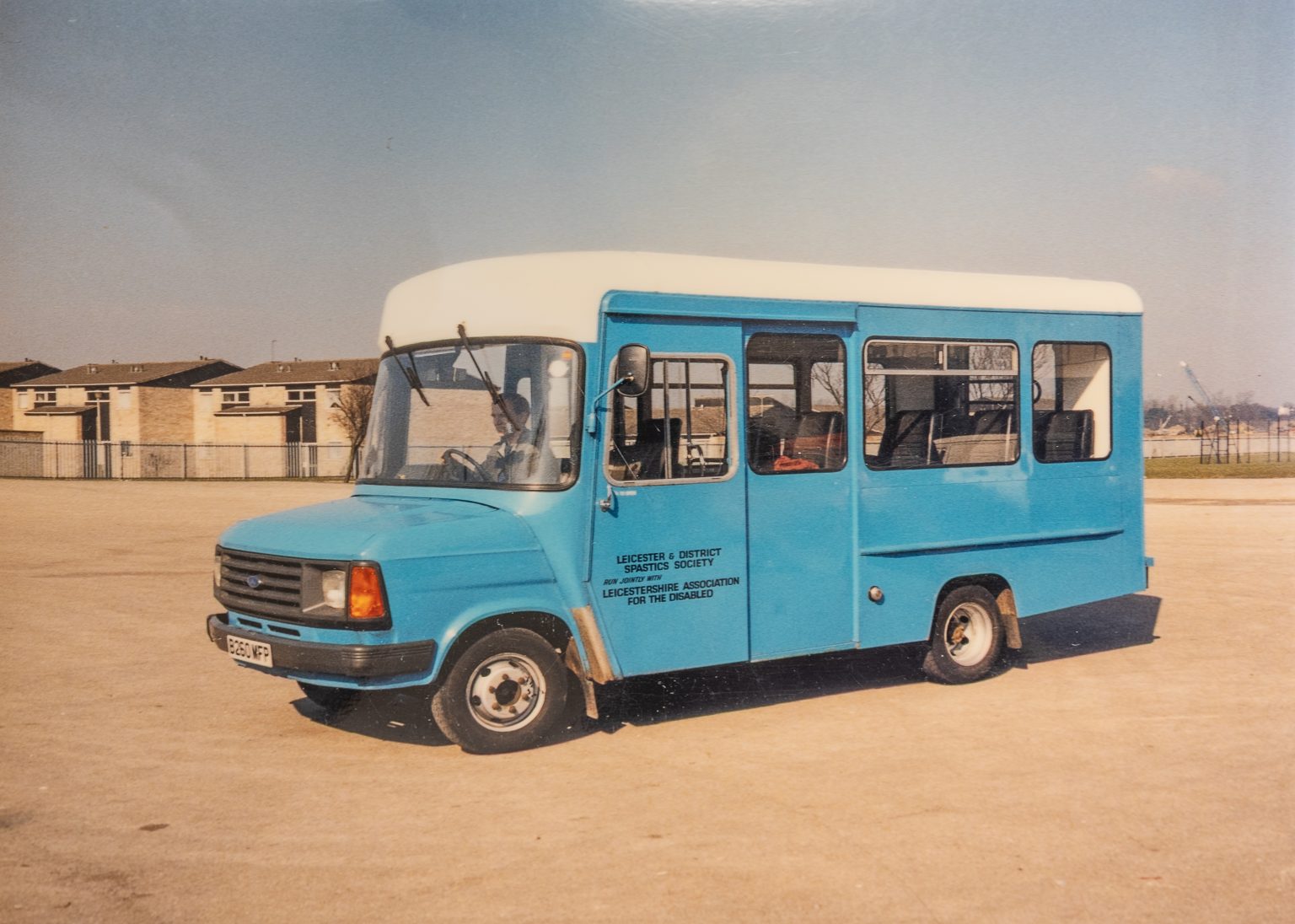
In 1977, a year of incredible community support and heartfelt dedication, a record 264 guests were welcomed to the Holiday Home in Cropston—a testament to the enduring spirit of care that the Guild and the surrounding villages had cultivated over the years. The nearby communities rallied together, providing entertainment, fundraising, and transport, making sure that the Holiday Home remained a warm, welcoming place for those in need of respite and joy.
The children from Claremont Street Methodist Church brought their songs of hope and celebration, filling the Holiday Home with the sound of their anniversary hymns, a beautiful reminder of the bond between the Guild and the local community. The effort, dedication, and compassion shown by our members, supporters, and volunteers were nothing short of extraordinary. It was a true reflection of how, when we come together, we can create something much greater than the sum of its parts—a sanctuary where everyone, regardless of ability, could experience joy, connection, and comfort.
Yet, despite the tremendous efforts, a shift began to occur. Over time, the number of guests visiting the Holiday Home began to decline year after year. This change was not due to a lack of effort, but rather the changing landscape of societal needs and financial realities. The Guild, ever adaptable and forward-thinking, faced the difficult reality that to ensure the continued operation and sustainability of the Holiday Home, it would be necessary to introduce charges for stays moving forward.
This decision was not made lightly, for it was always our deepest desire to provide these services free of charge to those who needed them. However, as the challenges grew, it became clear that in order to continue offering a safe haven for disabled individuals, adjustments were necessary. The decision to introduce charges was a reflection of our commitment to the long-term future of the Holiday Home, ensuring that it could continue to serve those who so desperately needed a break from their daily challenges.
While this change marked a new chapter in the Holiday Home’s history, it did not diminish the power of the community’s collective heart—a heart that continued to beat strong and steady in support of those who needed it most. Through these challenges, we remained steadfast in our mission to create a world where every person had access to dignity, rest, and the opportunity to flourish.
Driving change
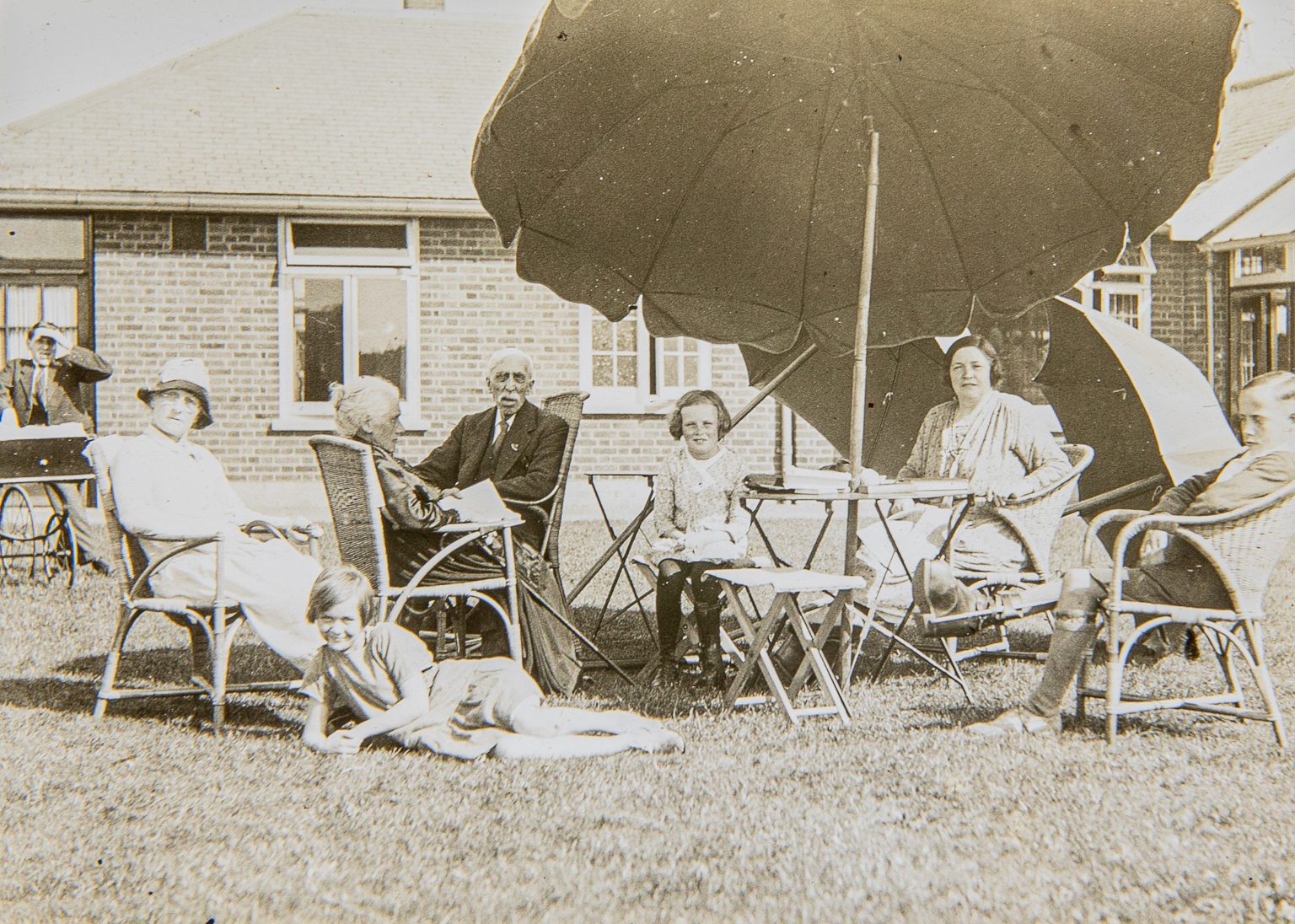
In 1971, a new chapter began in the world of social care with the introduction of the Social Services Act 1970 and the Chronically Sick and Disabled Persons Act 1970. These important pieces of legislation brought much-needed improvements to the facilities and services available to disabled people and placed greater responsibility on Local Authorities to meet those needs.
At a time when social work spanned such a wide range—from supporting people with physical or mental disabilities, to caring for those who are blind or deaf, the elderly, and the homeless—it became clear that working together was not just helpful, but essential.
Here at the Guild, we’d already taken early steps to bring people together. A few years ago, we invited like-minded organisations who shared our commitment to disabled people to join a Consultative and Advisory Committee. The idea was simple: to exchange ideas, support one another, and build a stronger network of care.
So, when the Director of Social Services extended an invitation for us to be part of a newly formed Community Care Liaison Council—to help coordinate and advise on the full scope of social services—we were heartened and honoured to accept. It felt like a natural continuation of the work we had already begun, rooted in partnership, compassion, and a shared vision for a more inclusive society.
A new era of support
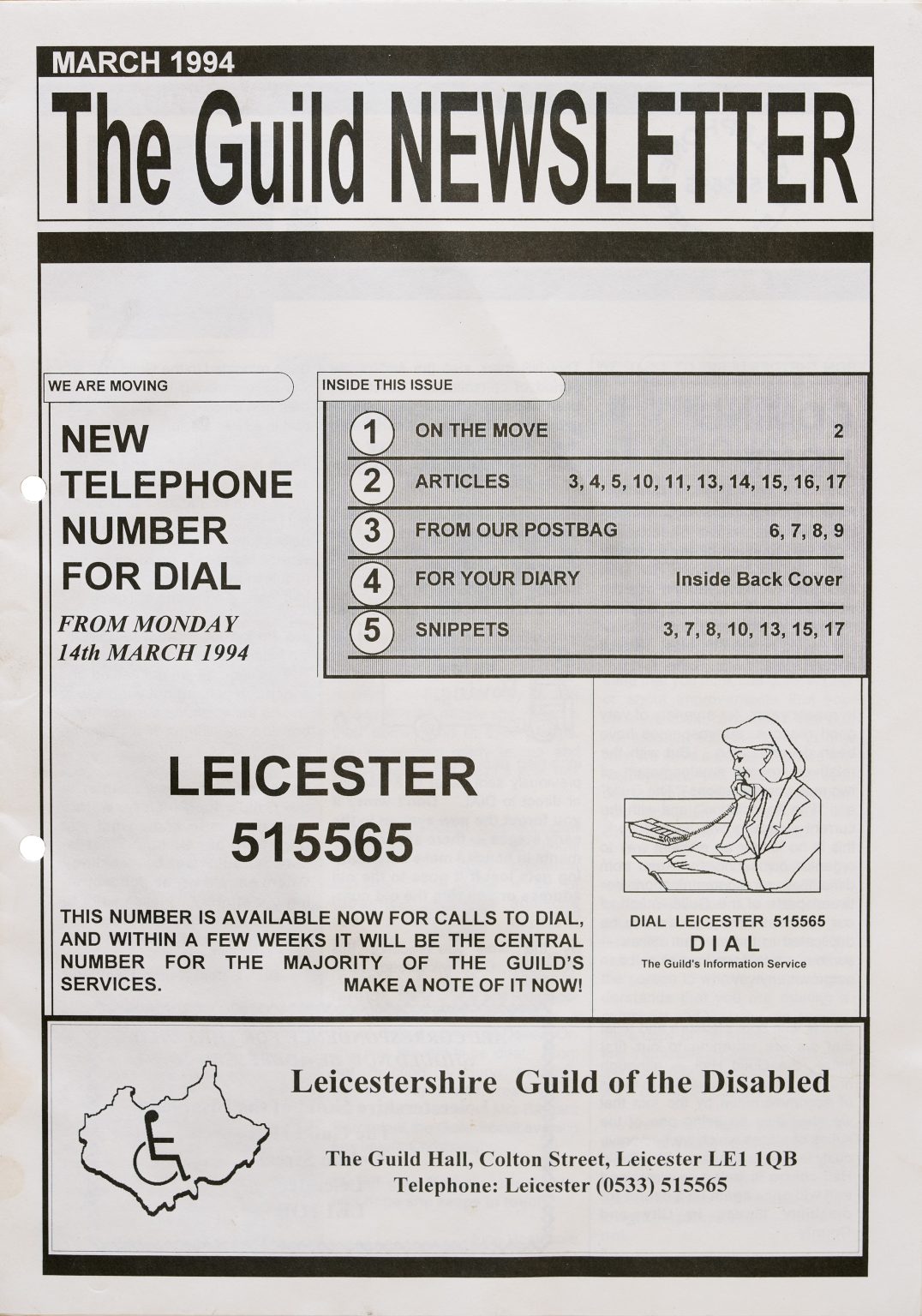
In 1978, we marked a pioneering moment in the journey toward greater accessibility and empowerment for disabled people with the introduction of DIAL (Disablement Information and Advice Line). This vital service, only the third of its kind in the United Kingdom, was a direct response to a desperately unmet need—the need for accessible, reliable information and advice for those navigating the often-complicated systems of care, benefits, and support available to disabled individuals.
The DIAL service was a game-changer, offering a lifeline for many who had long felt isolated by their lack of access to crucial information. Whether it was advice on mobility aids, housing rights, or financial assistance, DIAL became a trusted resource for those who needed it most, empowering individuals with the knowledge they needed to make informed choices about their lives.
In 1979, just one year after its launch, the DIAL service received over 2,500 enquiries, a powerful testament to the urgent demand for such a service. Each call represented an individual reaching out for guidance, support, and the hope that their questions—sometimes those that had gone unanswered for years—would finally be met with clarity and compassion.
The introduction of DIAL was more than just a service—it was a symbol of progress, a recognition that disabled people deserved access to information, rights, and the tools to navigate the world on their own terms. In a time when barriers were still plentiful, DIAL served as a beacon of independence and self-empowerment, shining a light on the path to a more inclusive and informed future.