2000s
Leading on safety
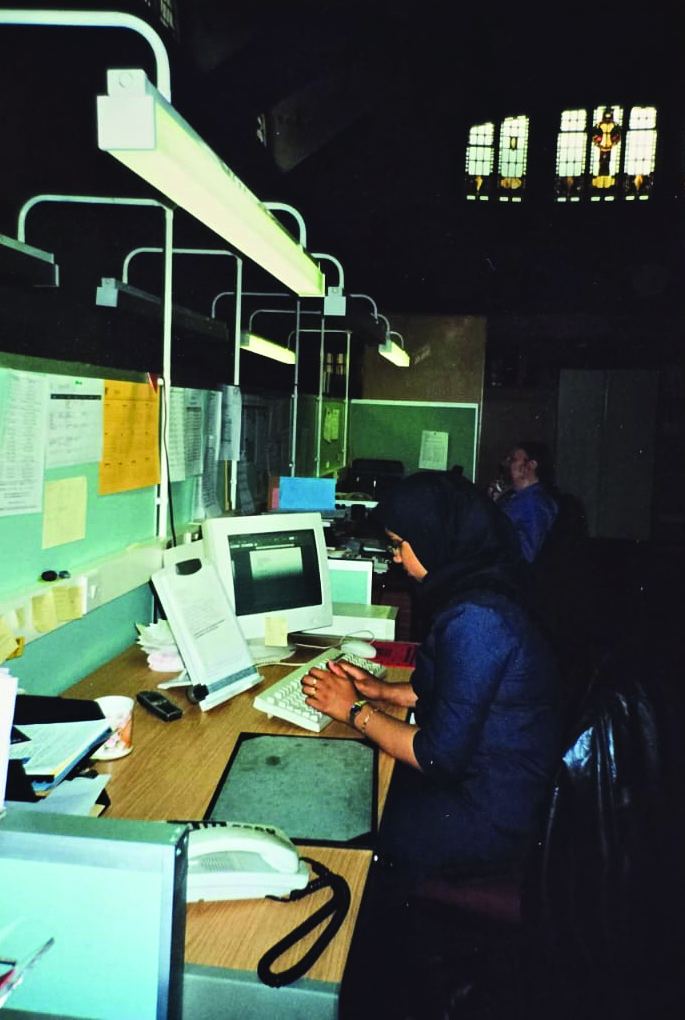
In 2004, we strengthened our commitment to protecting disabled people by becoming officially registered with the Criminal Records Bureau (CRB) for both standard and enhanced checks. This vital step marked another way in which we put the safety and dignity of our community at the very heart of our work.
By ensuring that all our trustees, staff, and volunteers were thoroughly vetted, we upheld the highest standards of care and trustworthiness. It wasn’t just a requirement—it was our responsibility, and we were proud to lead by example.
But our efforts didn’t stop there. Recognising that safeguarding is a shared duty, we offered these services and guidance to others working with vulnerable people across the voluntary sector. Whether advising on when a CRB check was necessary or helping organisations navigate the process, we stood beside our peers as both a supporter and advocate.
This wasn’t just about compliance—it was about creating environments where disabled people felt safe, valued, and respected. It was about honouring the trust placed in us, and ensuring that every person who walked through our doors could do so with confidence.
In a time when safeguarding standards were still evolving, we were proud to be ahead of the curve—proactive, informed, and always guided by care.
Empower through choice
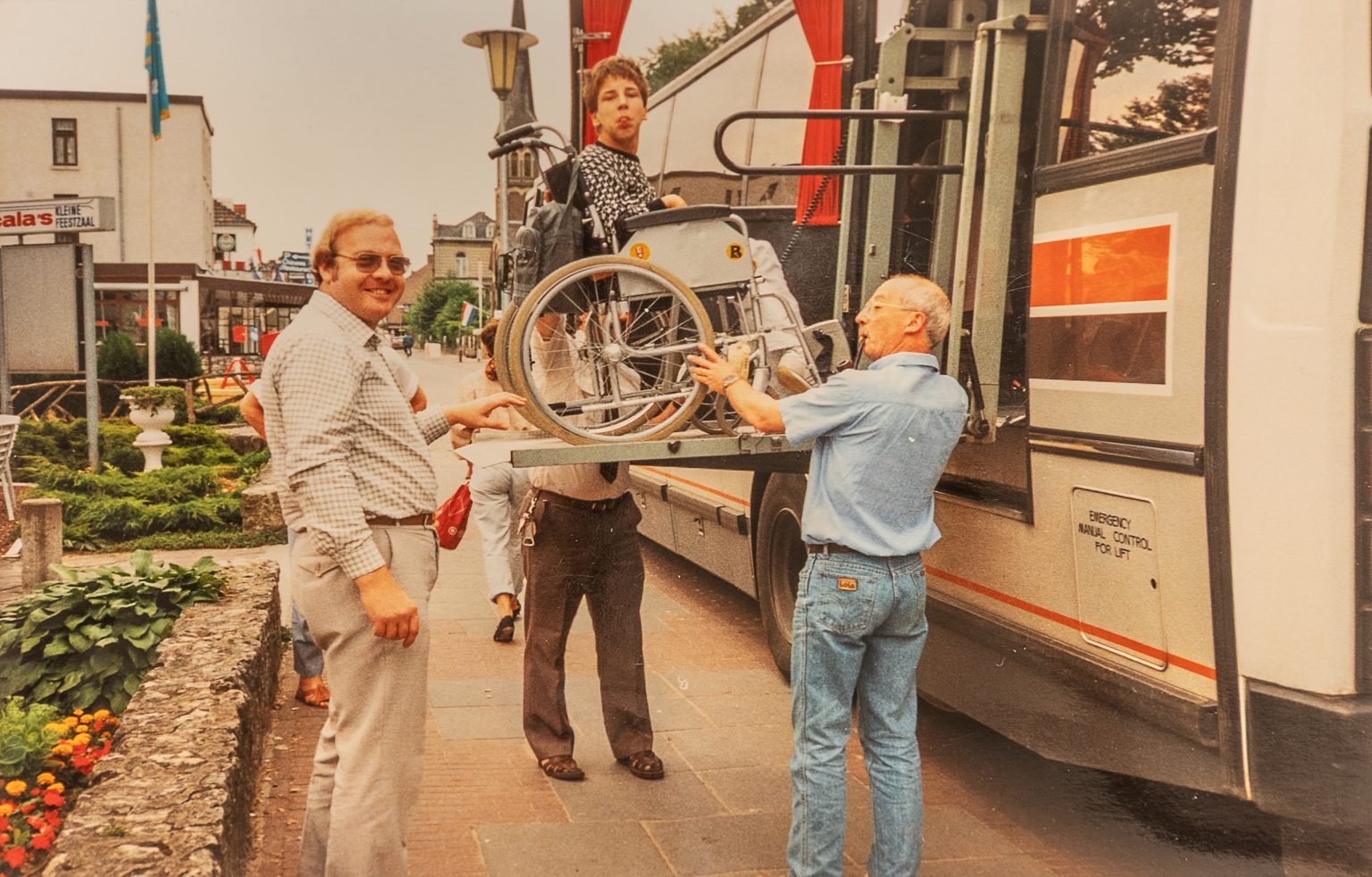
As a disability organisation, mosaic embraced the social model of disability, which was a powerful perspective that guided how we worked alongside disabled people. Rather than seeing disability as something that lies solely with the individual, the social model recognises that many of the barriers disabled people face are created by society itself, through inaccessible environments, unhelpful attitudes, and limited opportunities.
This approach shaped our belief that with better understanding, inclusive design, and supportive policies, these barriers can be removed. Everyone should have the chance to take part in everyday life; at home, in work, in education, and in the community—on an equal basis.
One example of this in action was the Independent Living Support Scheme (ILSS), which promoted independence, choice, and control by empowering disabled people to shape their own support and live life on their own terms.
Creative. Connected. Co-produced.
True to our enduring belief that disabled people must shape the services they use, we entered a new and exciting chapter—putting community-led outreach at the forefront of everything we did. It wasn’t just about offering support—it was about listening, responding, and building alongside those who knew their own needs best.
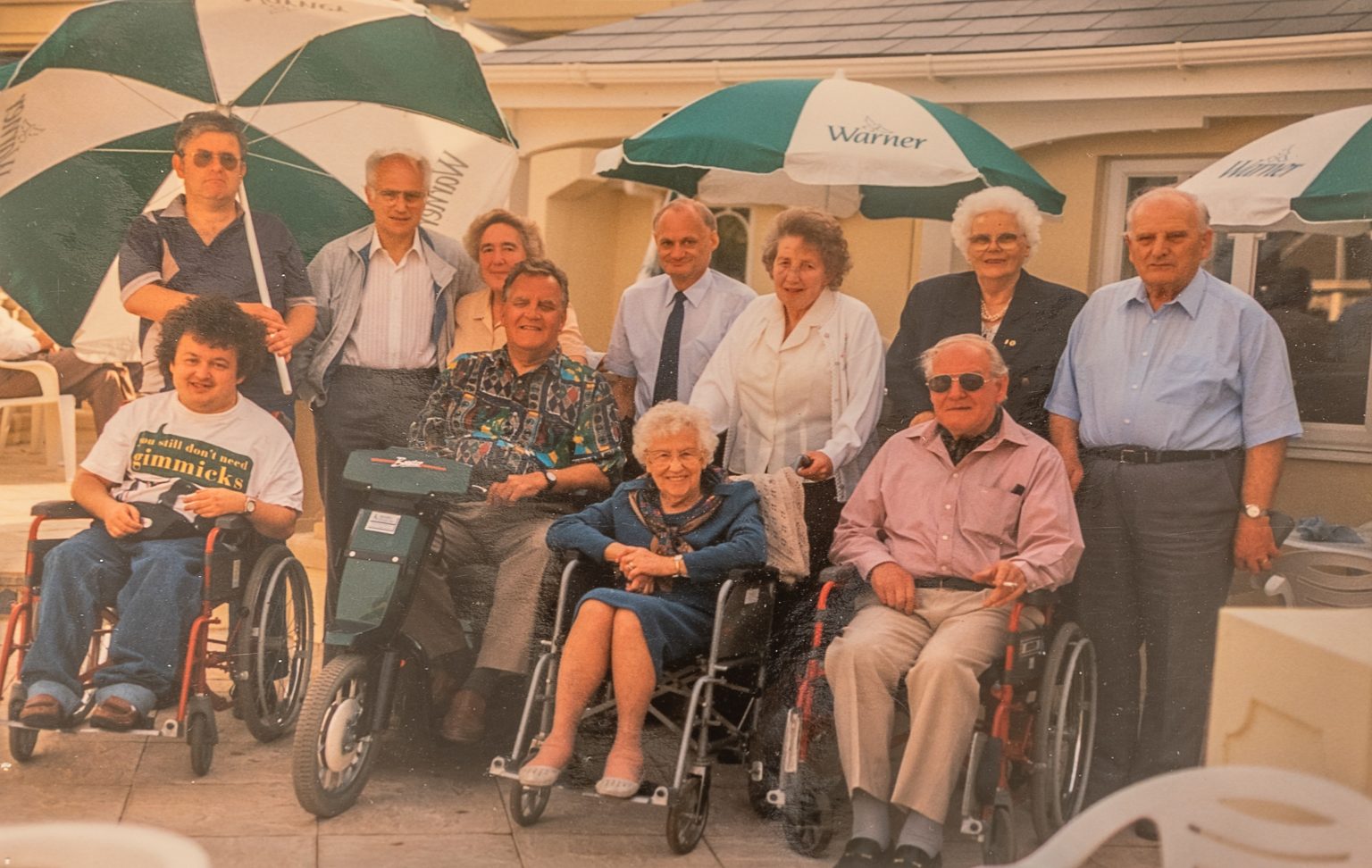
This vision came to life through the launch of Cre8, a vibrant programme of activities and groups developed by disabled people, for disabled people, across the County. With fun, creativity, and connection at its core, Cre8 offered something truly special: a space to grow, to belong, and to be seen.
From creative writing workshops, to social outings, and one-to-one support sessions, each activity was shaped by the real voices and lived experiences of the community. These weren’t just services—they were expressions of freedom, joy, and possibility.
Our continued advocacy and partnership working with local authorities, alongside the pursuit of alternative funding routes, helped make Cre8 a reality. And when the call came to extend this success to the City, we once again turned to the experts—disabled people themselves. In 2007, a dedicated pilot project ensured the same care, creativity, and co-production informed the City-based equivalent, laying the groundwork for even more inclusive day services.
This was more than a programme—it was a powerful reminder that when people lead, services thrive. And when we listen, respect, and act together, everyone benefits.