
1898
A kind heart
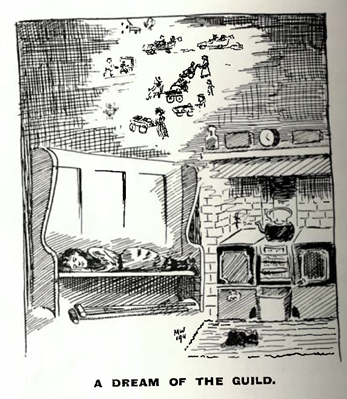
The past few winters had been unbearably cold and cruel, especially for those who were poor or disabled, left to struggle with little support. My heart ached seeing their suffering, knowing how alone they must have felt in the biting frost.
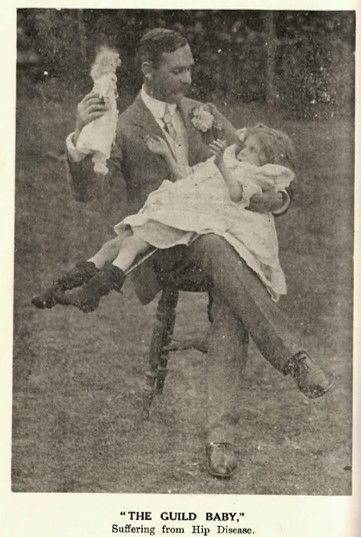
Then, during Easter of 1898, something so simple, but very meaningful began. I young woman, working among Leicester’s poorest came across Mrs. Ewing’s book, The Story of a Short Life. Its words stirred something deep within her. She couldn’t shake the thought—what if the crippled children of our town could hear this story? Perhaps it would bring them comfort, hope, even a moment’s escape from their hardship. She suggested the idea, my heart pounding with the possibility that this simple possibly act could make a difference.
With the generous support of a local businessman and philanthropist, Mr. Arthur Groves, a mission was set out—one that was filled with both excitement and nervous anticipation. We wanted to bring together as many disabled people in Leicester as we could, for a simple yet heartfelt gathering: an afternoon tea.
A meaningful moment
A central schoolroom was kindly lent to us for the occasion, and the School Board Secretary helped spread the word. Students were asked to think of anyone in their neighbourhoods who was crippled and might need companionship, I had hoped for a good response, but when nearly 100 names came in, I was overwhelmed. So many lives, so much hidden suffering.
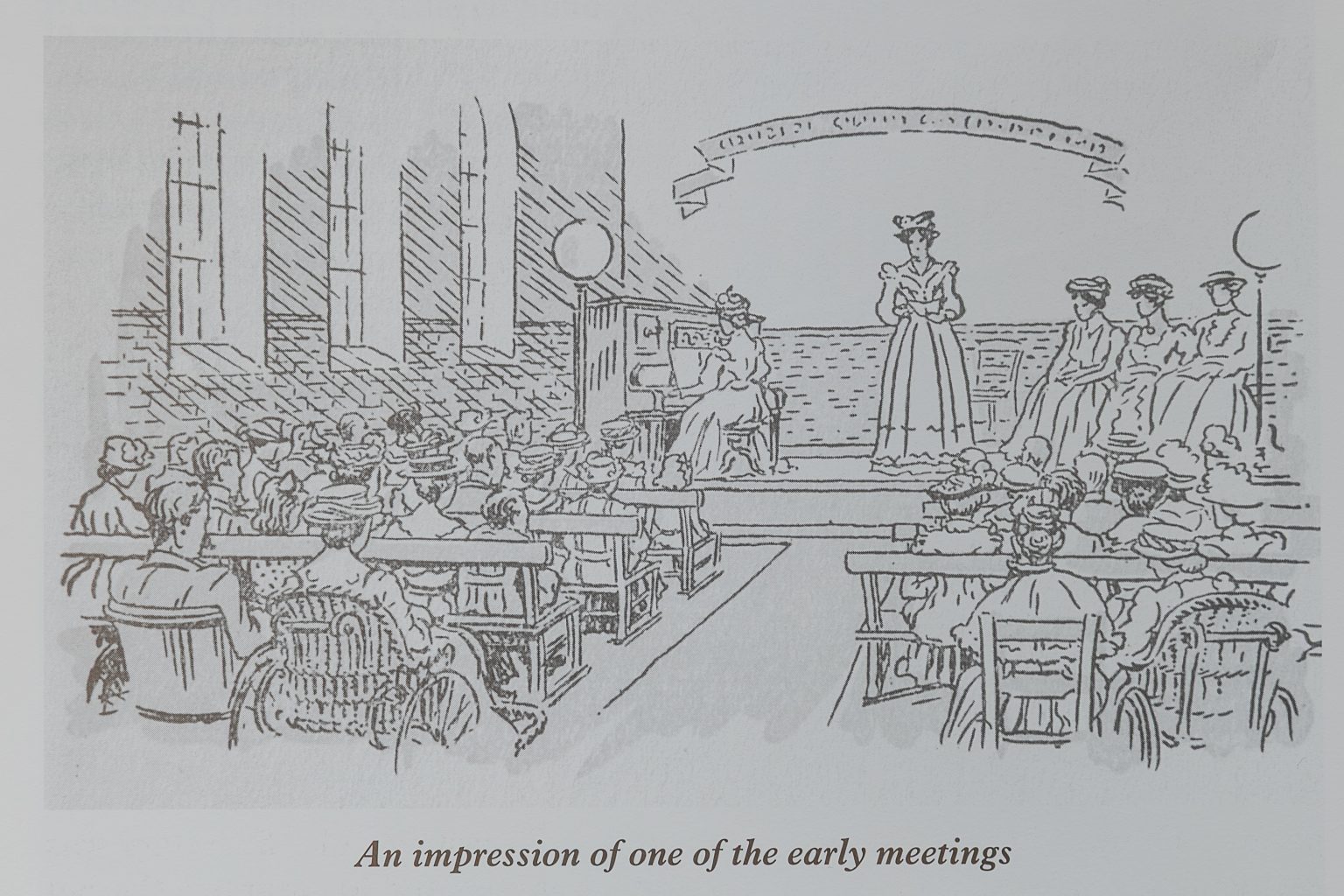
Each one was visited, extending an invitation with warmth and sincerity. And when the day finally arrived, the room filled with people—some hesitant, others eager. After tea and laughter, and a bit of lively entertainment, the moment came. We shared the story, faces lit up, eyes widened, and something unspoken but powerful passed between us. Hope, perhaps. Connection. It was more than just a gathering—it was the beginning of something amazing.
A lasting promise
“As I looked around the room that day, watching our guests laugh, listen, and simply enjoy the warmth of fellowship, I felt something shift inside me. We had set out to offer them a single afternoon of joy, but it became so much more. These people—so hidden away, overlooked, and forgotten—deserved more than just one fleeting moment of inclusion.
We couldn’t let them slip back into loneliness.” The thought was unbearable. We knew then that this had to continue. A single gathering wasn’t enough. They needed a place where they belonged, a community that saw them, valued them, and embraced them.
And so, the Guild was born—not as a charity, not as a duty, but as a promise. A promise that they would never be out of sight or out of mind again.