1940s
The birth of a movement in wartime Leicestershire
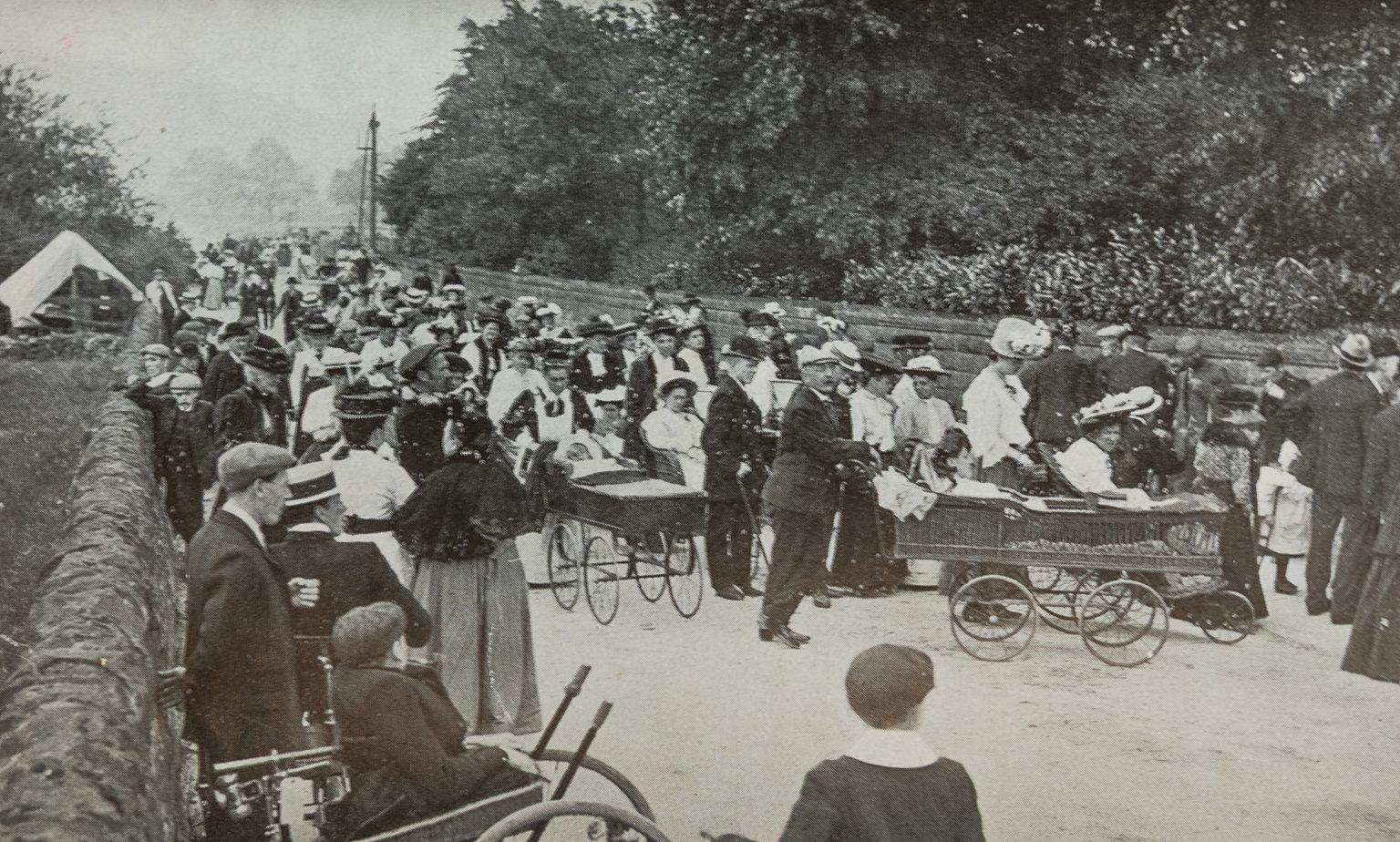
In the shadow of wartime Britain, 1941 was a year marked not only by resilience on the battlefield but also by quiet revolutions of compassion at home. Amidst the rolling fields and towns of Leicestershire, a remarkable movement was taking root—one driven by empathy, hope, and an unwavering belief in human dignity.
Recognising the often-overlooked struggles of disabled people scattered across the county, We answered the call with open hearts and outstretched hands. From this spirit of service, The Leicestershire Voluntary Association for Cripples was born—a name reflective of the time, but behind it lay a mission of timeless humanity.
With steadfast dedication, The Guild became a pillar of support, offering not just practical resources but also the priceless gift of connection. Through our tireless efforts, nearly 1,000 disabled men, women, and children—many isolated by circumstance—found themselves seen, heard, and embraced by a growing community.
In homes once touched by silence and solitude, a new chapter unfolded—one of empowerment, support, and shared purpose. It was a testament to what can be achieved when compassion meets action, and when ordinary people dare to create extraordinary change.
Bowled over by kindness
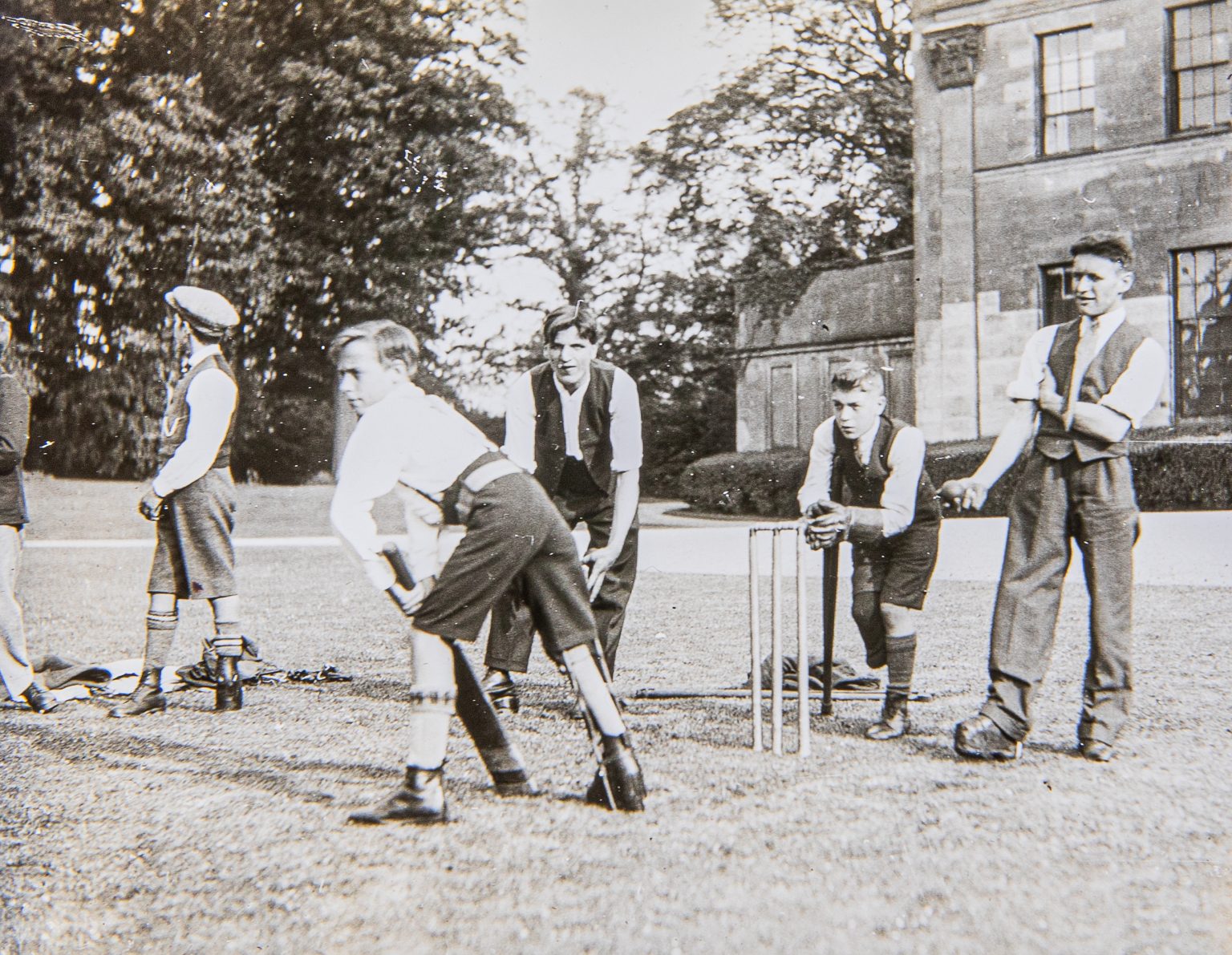
Through the challenging post war years, the Guild remained committed to rebuilding lives, especially those of disabled people. In July 1947, joy filled the gardens of Thorpe Satchville Hall as 120 guests gathered for a memorable day of games and connection.
The lawn became a playground of delight, echoing with the sound of games, friendly competition, and shared stories. But the highlight for many came when none other than Leslie Berry, the esteemed captain of the Leicestershire County Cricket Club, stepped onto the field—not to compete, but to connect. With sleeves rolled and smile wide, he bowled graciously to the guests, his presence turning the event into something magical.
For those who had faced darkness, destruction, and years of quiet endurance, these moments weren’t just entertainment—they were affirmations of life, of being seen and valued.
Our golden jubilee
As we approached our Golden Jubilee in 1948, we reflected on 50 years of dedication to supporting disabled people.
Imagine our joy, then, when we received a letter of heartfelt thanks from Their Majesties King George VI and Queen Elizabeth. In gracious words, they commended the work we had done in the care and rehabilitation of disabled people—acknowledging the ways, small and significant, in which lives had been transformed through compassion, persistence, and the belief in every person’s worth.
We were deeply moved. To have our efforts recognised by the Crown was more than an honour—it was a testament to the people we served, and to the tireless devotion of those who had shaped the Guild across the decades.
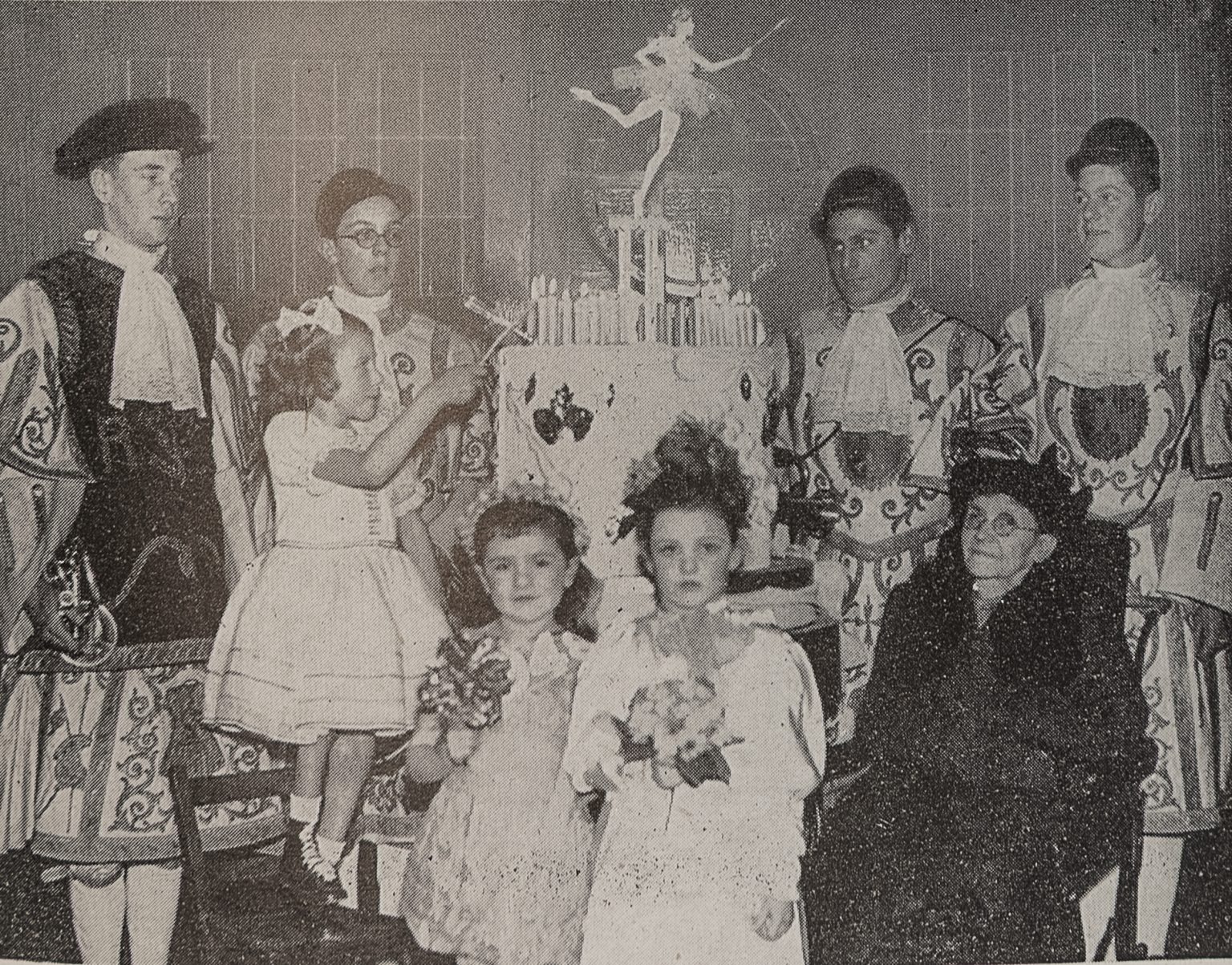
We marked the occasion with a jubilant celebration at our beloved Guild Hall in March 1948. It was a day of laughter and storytelling, of cake and candles, and of deep appreciation for the road we had travelled. In a moment that still brings a smile, Pat Cleaver, our youngest member at just 8 years old, proudly lit the candles on our birthday cake—her small hands carrying the flame of our future.
And there, among the crowd, was Miss Sarah Glover, one of our very first members, still standing tall and resolute. She was asked to write a short article for the commemorative booklet, The Story of Fifty Years. Her words, steeped in memory and heart, reminded us of where we began—and just how far we had come.