1980s
A global milestone
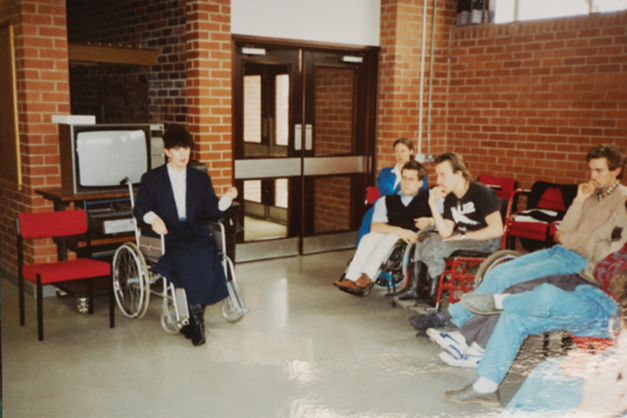
1981 marked a monumental moment in the history of disabled people across the world—the International Year of Disabled People. This was a year like no other, a year dedicated to equality, empowerment, and the recognition of the rights of disabled people at global, national, and regional levels. It was a call to action, urging societies everywhere to equalise opportunities, focus on rehabilitation, and work towards the prevention of disabilities.
For the Guild, this year was a defining moment, a time when we were front and centre in raising the voices of those often unheard. We knew that this was not just a year of awareness, but a pivotal turning point—a chance to challenge the outdated perceptions and barriers that had for so long restricted the lives of disabled people. Together with countless advocates and organisations, we stood alongside our members, echoing their calls for inclusion, accessibility, and equality.
We worked determinedly throughout the International Year of Disabled People to amplify the voices of disabled individuals, ensuring they were not just part of the conversation, but driving it. We were committed to fostering a society that no longer saw disability as something to be pitied, but as a reality to be addressed with respect, understanding, and action. This year was more than just a commemoration—it was a rallying cry, a chance to reshape the way the world viewed and treated its disabled citizens.
It was a year that pushed the boundaries, sparking a movement that transcended borders and brought the cause of disability rights to the forefront. Through campaigns, awareness initiatives, and policy discussions, the Guild played a central role in championing the message that disabled people were deserving of equal opportunities and the ability to live their lives to the fullest.
The International Year of Disabled People was a time of hope and change—a year that set the stage for a future where disability was seen as part of the diverse human experience, and where disabled people could live free from discrimination and with the same opportunities as anyone else.
A diamond anniversary
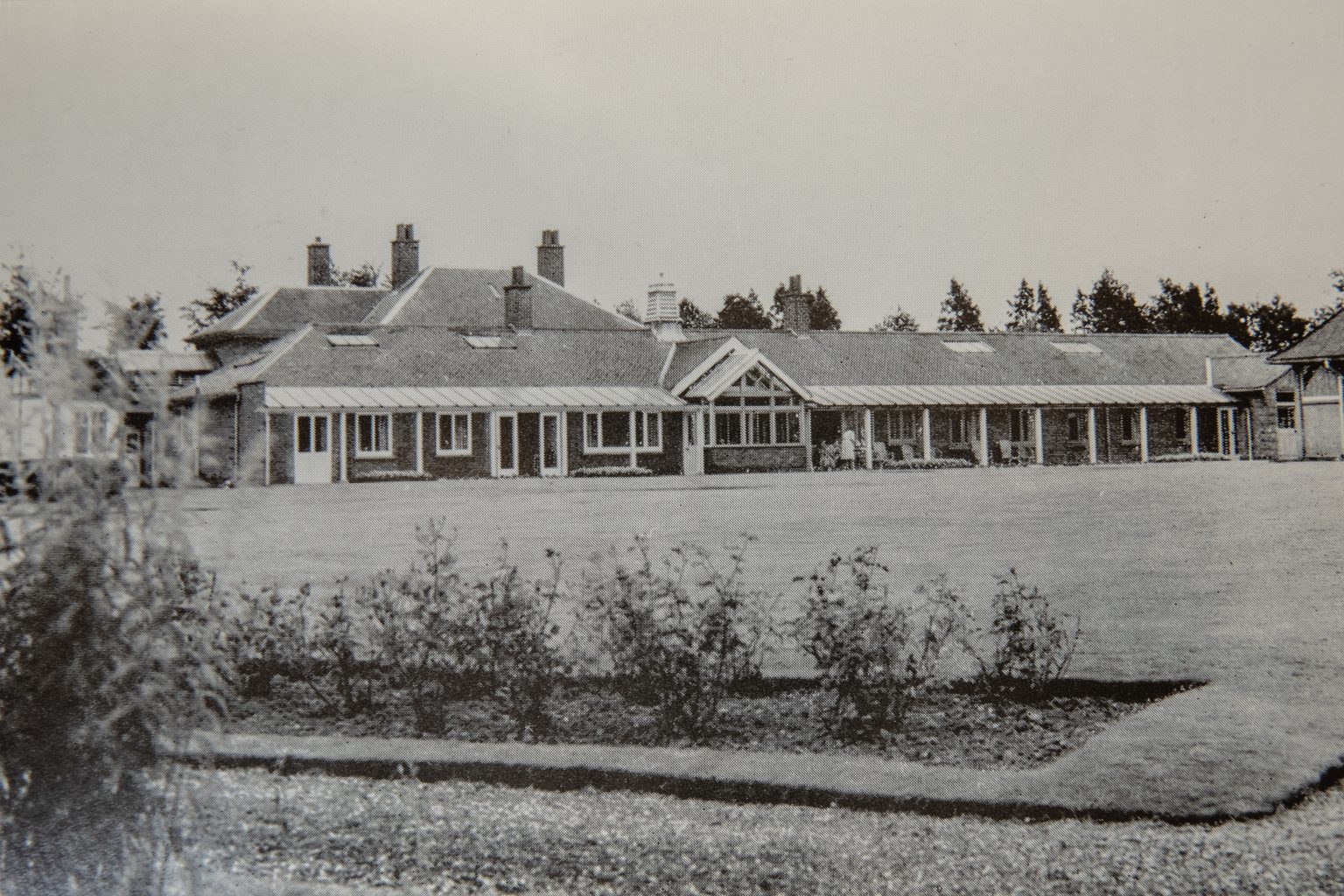
In July 1985, the Guild marked a momentous occasion—the 60th anniversary of the beloved Cropston Holiday Home. This milestone was not just a celebration of the building itself, but of the lives it had touched and the hope it had provided for so many disabled individuals and their families over the decades.
To honour this significant achievement, a special Thanksgiving and Rededication Service was held, an open-air gathering filled with gratitude, reflection, and renewed commitment to the mission of providing rest, respite, and joy to those who needed it most. The service, attended by more than 200 people, was a beautiful tribute to the enduring legacy of the Holiday Home, and a reminder of the strong sense of community and shared purpose that had made the Home a sanctuary for so many.
As the service unfolded, it was clear that this was more than just a celebration of the past; it was a powerful affirmation of the ongoing importance of the Holiday Home in the lives of disabled people. The gathering reflected the deep bonds that had formed between the Guild, the community, and the many families who had benefitted from the Home’s services over the years. It was a celebration of the hope that had flourished in this beautiful space and the promise that, for as long as the Holiday Home stood, it would continue to offer a place of rest, rejuvenation, and peace.
The 60th anniversary of Cropston Holiday Home was a moment to celebrate all that had been achieved, while also looking forward to the future—with renewed strength and purpose, knowing that the spirit of care and compassion would continue for generations to come.
A heartfelt goodbye
In July 1985, the Guild marked a momentous occasion—the 60th anniversary of the beloved Cropston Holiday Home. This milestone was not just a celebration of the building itself, but of the lives it had touched and the hope it had provided for so many disabled individuals and their families over the decades.
To honour this significant achievement, a special Thanksgiving and Rededication Service was held, an open-air gathering filled with gratitude, reflection, and renewed commitment to the mission of providing rest, respite, and joy to those who needed it most. The service, attended by more than 200 people, was a beautiful tribute to the enduring legacy of the Holiday Home, and a reminder of the strong sense of community and shared purpose that had made the Home a sanctuary for so many.
As the service unfolded, it was clear that this was more than just a celebration of the past; it was a powerful affirmation of the ongoing importance of the Holiday Home in the lives of disabled people. The gathering reflected the deep bonds that had formed between the Guild, the community, and the many families who had benefitted from the Home’s services over the years. It was a celebration of the hope that had flourished in this beautiful space and the promise that, for as long as the Holiday Home stood, it would continue to offer a place of rest, rejuvenation, and peace.
The 60th anniversary of Cropston Holiday Home was a moment to celebrate all that had been achieved, while also looking forward to the future—with renewed strength and purpose, knowing that the spirit of care and compassion would continue for generations to come.
1980_1986 A Heartfelt Goodbye to Leicestershire Automobile Club
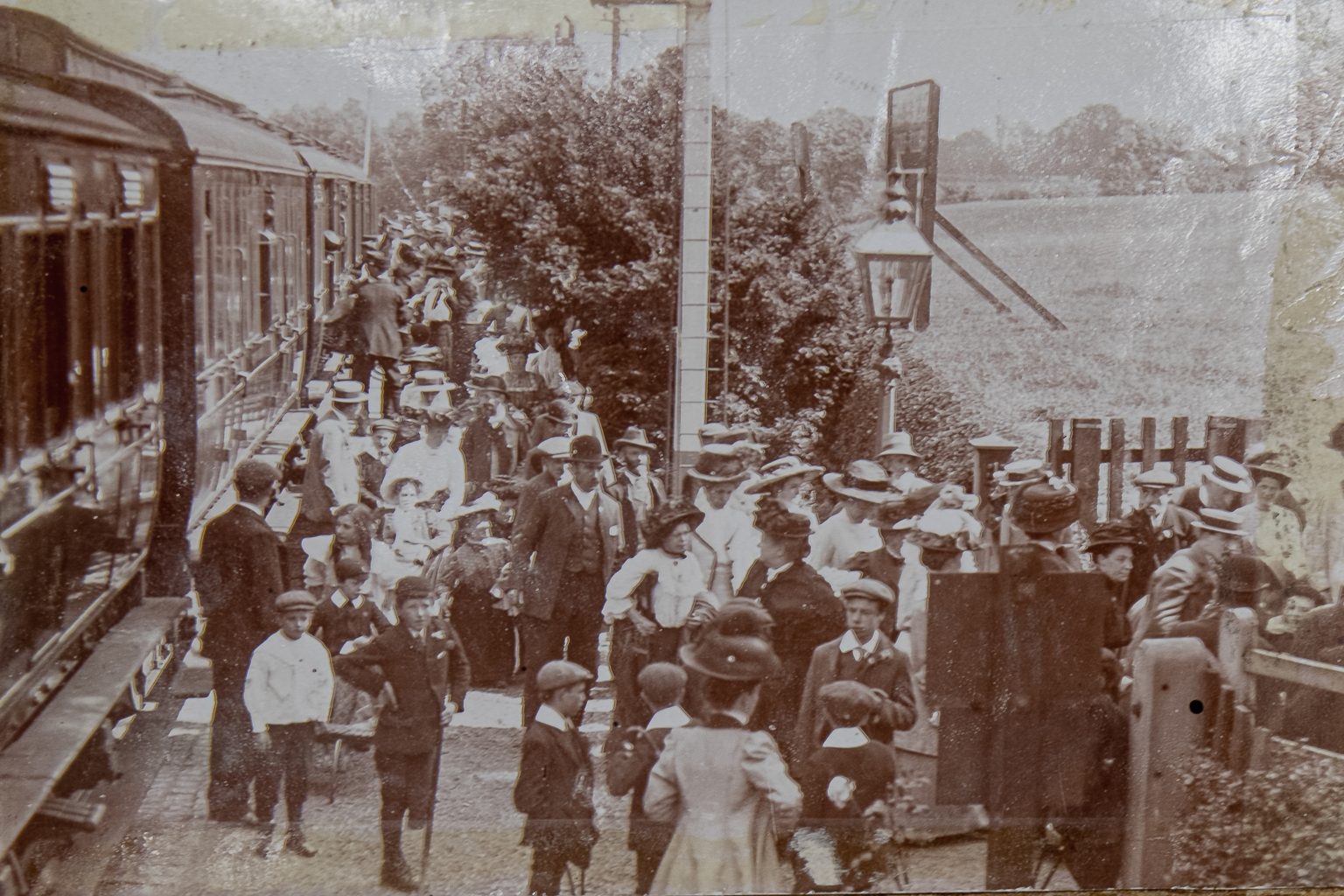
In 1986, the Guild experienced a profound loss with the disbanding of the Leicestershire Automobile Club (LAC)—an organization that had been an unwavering partner for so many years. Since 1906, LAC had dedicated itself to providing essential services to disabled people through its voluntary car drivers, pioneering a concept that was groundbreaking and would be followed by other organizations across the country.
LAC was the first of its kind to arrange outings for disabled people, opening up the world to those who had been too often confined to their homes. Over the decades, this vital service allowed countless members to attend Guild events at the Guild Hall, as well as outings across the county, offering them the chance to connect with others, experience new places, and most importantly, live life more fully.
The impact of LAC’s support went far beyond the practical transport it provided; it was a symbol of community spirit and civic responsibility, as the club gave its time, energy, and resources to enable disabled people to participate in social, cultural, and community events. The loss of LAC was deeply felt across the Guild, as their contribution had been nothing short of transformational. Without their generous efforts, many of the activities that members enjoyed would have been impossible to organize or access.
For the Guild, LAC had been an indispensable partner, one whose absence would leave a sizable void. It was not just the service they provided, but the shared mission to create a world where disabled people could live independently, enjoy community life, and be fully included. Losing LAC was a reminder of how vital partnerships like these were in the fight for equality and dignity for all.
Though the club’s closure marked the end of an era, the legacy of LAC’s commitment to disabled people would never be forgotten. Their work had set a powerful example of what could be achieved when a community comes together in service to its most vulnerable members.